Minnie Augusta Hayman Obituary: Louisbourg Woman Remembered for Her Love of Home and the Ocean
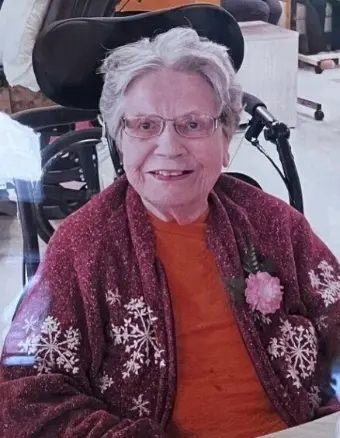
Minnie Augusta Hayman Obituary-It is with a heavy heart, yet a profound sense of respect for a life beautifully and quietly lived, that the community acknowledges the passing of Minnie Augusta Hayman. If you are searching for the Minnie Augusta Hayman obituary: Louisbourg woman remembered for her love of home and the ocean, you are not just looking for a timeline of dates. You are searching for the story of a woman whose 94 years on this earth represented the very best of Cape Breton’s coastal spirit. Minnie passed away on August 3, 2026, at Seaview Manor in Glace Bay, leaving behind a legacy that is as deep, quiet, and enduring as the Atlantic Ocean she so deeply cherished.
Born on June 8, 1932, to George and Hannah Vardy, Minnie’s life was an incredible journey through nearly a century of monumental changes in the world. Yet, through all the shifting tides of the 20th and 21st centuries, she remained wonderfully anchored to her roots. She was a private person, a loving wife to the late Henry Hayman, and a fixture of the Louisbourg community. In an era where everyone is shouting to be heard, Minnie’s life reminds us of the profound strength found in living quietly, loving your home, and finding peace by the sea. This comprehensive tribute will not only honor her memory but will also dive deeply into the history of her beloved home, the profound philosophical and legal meanings of leaving a legacy, and the impact that quiet, dignified citizens have on the world around them.
The Beautiful Life and Quiet Legacy of Minnie Augusta Hayman
To truly understand a person, you have to look at the soil—or in Minnie’s case, the rocky, sea-swept shores—from which they grew. Minnie Augusta Hayman was a woman defined by her surroundings and her steadfast dedication to her family. Her life wasn’t broadcasted on social media or splashed across global headlines, and that was exactly how she wanted it. She was a woman of substance, finding her joy in the everyday rhythms of domestic life and the natural beauty of Nova Scotia.
A Century of History: Growing Up in a Coastal Haven
When Minnie was born in the early summer of 1932, the world was a vastly different place. The Great Depression was tightening its grip on North America, and small coastal towns like Louisbourg had to rely heavily on community resilience, shared resources, and the bounties of the ocean to survive. Growing up during this era instilled a specific kind of grit and grace in people. You learned to appreciate what you had, to value the warmth of a fire, and to understand that community was your greatest safety net.
As a child of George and Hannah Vardy, Minnie was part of a bustling, lively household. She grew up alongside her siblings Sam, Stan, Abe, and Florence, learning early on the importance of familial bonds. In a large family, you quickly learn the art of compromise, the necessity of hard work, and the deep, abiding comfort of having people who will stand by you no matter what the world throws your way. The Vardy household would have been one filled with the unique dialect of Cape Breton, the smell of salt in the air, and the stories of a town steeped in rich maritime history.
Living through the 1930s and 1940s meant witnessing the hardships of wartime and the eventual post-war boom. Yet, while the geopolitical landscape shifted drastically, the daily life in Louisbourg maintained a steady rhythm dictated by the tides and the fishing seasons. Minnie absorbed this rhythm. She internalized the quiet fortitude of a coastal town. Her early years laid the unbreakable foundation for the private, home-loving woman she would become—a woman who didn’t need to chase the world because her world was already complete right where she was.
Family Ties: The Vardy Heritage and a Life of Devotion
Family was not just a part of Minnie’s life; it was the absolute core of her existence. She experienced the profound grief of losing a brother in infancy, a harsh reality of the times that often bound families even closer together in protective love. Throughout her life, she remained deeply connected to her roots. When she eventually married Henry Hayman, she carried the Vardy family values of loyalty, privacy, and dedication into her own home.
Marriage in the mid-20th century, particularly in a rural, hardworking community, was a true partnership. Henry and Minnie built a life together in Louisbourg, creating a sanctuary against the harsh coastal winters and a haven of joy during the brief, glorious Cape Breton summers. They were a team. Although Henry preceded her in death, the love they shared remained a defining pillar of her life. She carried his memory with her, living independently and maintaining the home they loved so much until her later years required a transition to assisted care.
She also survived her siblings—Sam, Stan, Abe, and Florence—making her the keeper of the family’s generational memories. Being the last of a generation is a heavy mantle to bear. It means you are the sole remaining library of your parents’ voices, your siblings’ childhood laughter, and the shared secrets of a bygone era. Minnie carried this history with immense grace. Today, she is survived by many nieces and nephews, who now inherit the responsibility of keeping the Vardy and Hayman family stories alive.
The Importance of Place: Louisbourg and the Pull of the Ocean
You cannot separate Minnie Augusta Hayman from Louisbourg. Her obituary beautifully highlights that she was a private person who loved her home and the ocean. But what does it really mean to love the ocean in a place like Louisbourg? It is not the casual appreciation of a tourist; it is a deep, almost spiritual connection to the environment that shapes your every waking moment.
Maritime History and Its Unseen Influence on Local Residents
Louisbourg is one of the most historically significant locations in North America. Home to the Fortress of Louisbourg, it was once a booming 18th-century French seaport and military stronghold. The town has literally seen empires rise and fall over control of its strategic harbor. For generations, the people who have lived there have been influenced by this massive historical footprint. You walk the same shores where centuries of fishers, soldiers, and merchants walked.
For a lifelong resident like Minnie, this history is just part of the atmosphere. But more than the human history, it is the natural power of the Atlantic Ocean that defines the town. The ocean is a provider, an isolator, a source of stunning beauty, and sometimes, a force of terrifying destruction. To love the ocean in Louisbourg is to respect it deeply. Minnie’s love for the ocean was likely tied to its constancy. In a world that changed so rapidly from 1932 to 2026, the rhythmic crashing of the waves against the rocky shores of Cape Breton remained exactly the same.
The ocean offers a unique kind of solace. For a private person, the expansive, open horizon provides a sense of boundless freedom that doesn’t require conversation or interaction. It simply requires presence. Walking the coastline, feeling the bite of the salt spray, and watching the fog roll into the harbor are deeply meditative experiences. It is easy to see how a woman who cherished privacy and peace would find her greatest comfort at the edge of the world, looking out over the Atlantic.
Finding Peace in Privacy and the Natural World
In our modern, hyper-connected society, privacy is often viewed with suspicion. If you aren’t broadcasting your life, people wonder what you are hiding. But for Minnie’s generation, and specifically for Minnie herself, privacy was a virtue. It was a boundary that protected the sanctity of her home and her marriage. She didn’t need the validation of a wide audience; she was perfectly content with the love of her family, the comfort of her home, and the breathtaking views of the Nova Scotia coastline.
Her home in Louisbourg was her castle. It was where she and Henry built their lives, where she likely hosted quiet family gatherings with her siblings, and where she watched the seasons change year after year. A love of home is a profound thing. It speaks to a deep sense of contentment and rootedness. Minnie didn’t spend her life looking for something better over the horizon; she recognized that she already lived in one of the most beautiful places on earth, surrounded by the people who mattered most.
The Final Years: Compassionate Care at Seaview Manor
As the years advanced, the reality of aging required a transition from her beloved Louisbourg home to a place where she could receive necessary medical and daily living support. For the last few years of her life, Minnie was a resident at Seaview Manor in Glace Bay. The distance from Louisbourg to Glace Bay isn’t incredibly far geographically, but leaving the home you built and loved for decades is a massive emotional journey.
The Reality of Aging in Cape Breton
Aging in small, rural communities often presents unique challenges. Families spread out, and the rugged environment can become difficult to navigate for those with limited mobility. However, Cape Breton is also known for its incredible community care and compassion. Seaview Manor, where Minnie spent her final years, is a testament to the dedication of healthcare workers in the region.
The family’s obituary made a specific, touching point to offer a special thank you to the staff at Seaview Manor, noting that “she could not have been cared for any better than they cared for her.” This highlights an essential aspect of end-of-life care: the importance of dignity. When an fiercely private and independent person like Minnie requires care, it takes a tremendous amount of empathy, respect, and professionalism from the nursing staff to ensure she feels safe, honored, and comfortable. The staff at Seaview Manor clearly provided a loving environment that allowed Minnie to live out her final days with the quiet dignity she had practiced her entire life.
Supporting the Alzheimer Society: A Crucial Cause
The family requested that, if desired, donations in Minnie’s memory be made to the Alzheimer Society. This request provides a small window into the health struggles that often accompany long life. Alzheimer’s disease and other forms of dementia are incredibly challenging, not just for the individual experiencing the cognitive decline, but for the entire family. It slowly strips away the memories that form the foundation of a person’s identity.
By directing support to the Alzheimer Society, Minnie’s family is ensuring that her legacy includes helping others who are fighting this devastating disease. The funds go toward critical research, providing support networks for caregivers, and funding educational programs that help communities better understand how to interact with and protect those suffering from memory loss. It is a noble and deeply impactful way to honor a woman whose own life was so rich in family history and memory.
Legacy and Legal Philosophy: How We Are Remembered in Modern Times
When a person passes away, they leave behind two distinct footprints: their emotional footprint (the memories held by loved ones) and their legal/historical footprint (their estate, their public record, and their written obituary). Looking at the life of Minnie Augusta Hayman opens the door to a much deeper, philosophical conversation about the nature of legacy. What does it actually mean to leave a legacy, and how does the law protect the memory of a private citizen versus a public figure?
The Legal Framework of a Legacy: Estate Planning and Reputation
From a legal standpoint, a person’s legacy is managed through estate law. When Minnie passed away, she likely had legal mechanisms in place—a last will and testament, perhaps a power of attorney, and healthcare directives—that dictated how her final years and her assets would be handled. Estate planning is the ultimate act of taking control of your legacy. It ensures that your private wishes are respected and that your family is not left with the burden of untangling complex legal messes during a time of profound grief.
But beyond the tangible assets—the house in Louisbourg, the bank accounts, the personal heirlooms—there is the intangible asset of reputation. In legal philosophy, a person’s reputation is considered a valuable property right while they are alive. Defamation laws exist to protect individuals from having their good names destroyed by false statements. However, when a person dies, the legal protection of their reputation fundamentally changes. In most jurisdictions, including Canadian common law, the dead cannot be defamed. The right to sue for libel or slander dies with the individual.
This legal reality places an immense burden on the family and the community to act as the stewards of the deceased’s legacy. For Minnie, this stewardship is easy. Her legacy is pristine. She lived a life of quiet virtue, loved her husband, cherished her privacy, and cared for her home. Her family authored an obituary that perfectly encapsulated her essence, sealing her historical record with words of love and respect.
The Right to a Peaceful Legacy: Privacy in a Hyper-Connected World
There is a growing movement in legal philosophy advocating for the “right to a peaceful legacy,” particularly in our digital age. We live in a world where everyone leaves a massive trail of data, social media posts, and public records. For future generations, managing this data will be a nightmare. But for Minnie, born in 1932, her legacy is safely analog. Her memory isn’t tied up in the messy, often toxic world of digital permanence; it is tied to the crashing waves of the Atlantic, the stones in the Anglican Cemetery in Louisbourg, and the hearts of her nieces and nephews. She successfully exercised her right to privacy throughout her life, and in death, that privacy translates into a beautifully untarnished legacy.
A Stark Contrast: Private Dignity vs. Public Infamy
To truly appreciate the beauty of Minnie Augusta Hayman’s quiet, dignified life, it is remarkably instructive to compare it to the chaotic, legally disastrous lives of modern public figures. We are culturally obsessed with fame, power, and public influence. Society often tells us that to live a meaningful life, we must be known by millions, amass massive fortunes, and dominate the public discourse. But when we look at the legal and public ruin of notorious figures, the philosophy of fame completely falls apart, revealing the unparalleled value of the private life Minnie lived.
Notable Legal Cases: The Dismantling of Public Legacies (Harvey Weinstein and Rudy Giuliani)
Consider, for example, the catastrophic dismantling of two incredibly prominent public legacies in recent history: Harvey Weinstein and Rudy Giuliani. Both men spent their lives aggressively pursuing public dominance, wealth, and power. And both men saw their legacies systematically destroyed in courts of law and the court of public opinion.
Harvey Weinstein was once the most powerful man in Hollywood. His legacy was supposed to be one of cinematic genius, an Academy Award kingmaker whose name was synonymous with modern film. Instead, his legacy was dismantled through the legal philosophy of accountability. Through exhaustive investigative journalism, countless civil lawsuits, and high-profile criminal trials in New York and Los Angeles, Weinstein’s legacy was permanently rewritten. The law did not just lock him away; it stripped him of his societal standing. His name is now a legal and cultural shorthand for predatory behavior and the abuse of power. His “legacy” is a masterclass in how a lifetime of public success can be legally obliterated by private moral failures.
Similarly, consider Rudy Giuliani. After the September 11 attacks, he was universally hailed as “America’s Mayor.” He was a former federal prosecutor who built his reputation on law and order. He had a legacy that most politicians could only dream of. However, driven by a desire to remain relevant in the hyper-partisan media landscape of the late 2010s and 2020s, Giuliani tied himself to election subversion efforts. The result? A catastrophic legal downfall. He faced massive defamation lawsuits—most notably the staggering $148 million judgment awarded to two Georgia election workers whom he falsely accused of fraud. He faced disbarment proceedings, effectively having his legal credentials ripped away by the very system he once championed. He was forced into bankruptcy, selling off his assets to pay for the damage his words caused. Giuliani’s legacy was not dismantled by a single event, but by a prolonged, self-inflicted legal implosion rooted in a desperate need for public attention.
What the Law Teaches Us About the Value of a Quiet Life
Why bring up figures like Weinstein and Giuliani in a tribute to a sweet, 94-year-old woman from Louisbourg? Because the contrast highlights the absolute triumph of Minnie Hayman’s life.
Legal philosophy teaches us that public legacies are fragile constructs. When you live for the public, you subject yourself to the brutal, unforgiving mechanics of public law, defamation, and media scrutiny. When your power wanes, or your misdeeds are brought to light, the legal system will systematically tear down the statues you built for yourself.
Minnie Hayman built no statues. She sought no headlines. She didn’t need to manipulate the media, and she never found herself on the wrong end of a defamation suit or a criminal proceeding. Her legacy is bulletproof because it was built on the solid, unshakeable foundation of genuine love, quiet dedication, and private virtue. She proves that the most successful lives are often the ones that fly completely under the radar of public consciousness. While the world watches the mighty fall in spectacular legal ruins, the true strength of humanity is found in the coastal homes of women like Minnie, who simply live well, love deeply, and pass away in peace.
Media Presence and the Evolution of the Digital Obituary
Minnie Hayman’s obituary was published in The Cape Breton Post, and hosted online by platforms like Dignity Memorial and local community boards like goCapeBreton. This brings us to another fascinating intersection of modern life: the evolution of the digital obituary and how media presence shapes mourning.
How the Internet Changed the Way We Mourn
Historically, when someone in a town like Louisbourg passed away, the news traveled by word of mouth, a phone tree, or a short notice printed in the local physical newspaper. Mourning was heavily localized. You went to the local funeral home, you attended the local church, and you visited the local cemetery.
Today, media presence has fundamentally altered the grieving process. Minnie’s obituary is available globally. Someone sitting in Australia or the United Kingdom can read about her love for the ocean and the fact that she was born to George and Hannah Vardy. Digital obituaries serve as permanent online memorials. Platforms allow strangers and distant relatives alike to light virtual candles, leave digital condolences, and share memories instantly.
For a private person like Minnie, the digital obituary serves a beautiful, singular purpose: it acts as a permanent, respectful digital footprint. It ensures that a hundred years from now, a genealogist or a great-great-nephew researching their family tree will easily find a record of her existence. They will know she loved her home. They will know she loved the ocean. The media presence here is not invasive; it is preserving.
The Legalities of Posthumous Privacy and Digital Assets
This shift to digital mourning also introduces complex legal questions regarding digital assets and posthumous privacy. When we die, what happens to our online accounts, our digital photos, and our digital footprints? As discussed earlier, while the dead cannot be legally defamed, there is an ongoing legal debate about who controls the digital narrative of the deceased.
Tech companies have had to develop “legacy contact” protocols, allowing designated family members to memorialize or delete accounts. Laws like the Revised Uniform Fiduciary Access to Digital Assets Act (RUFADAA) in various jurisdictions attempt to give executors the legal right to manage digital properties just as they would a physical house or bank account.
Because Minnie lived a private life, it is highly likely her digital footprint was minimal, bypassing these modern legal headaches. Her “digital asset” is simply the beautifully written obituary provided by her family. It stands as a testament to the fact that sometimes, the best way to handle media presence is to have almost none at all, save for a final, dignified farewell written by those who loved you most.
Community Impact: The Unsung Heroes of Small Towns
When we evaluate the impact of a person’s life, we too often measure it in terms of economic output, political influence, or societal disruption. But the sociology of small towns tells a completely different story. The true backbone of a community like Louisbourg is not the politician in Halifax or the CEO in Toronto. The backbone is people like Minnie Augusta Hayman.
Why the World Needs More People Like Minnie Hayman
Community impact is measured in consistency. It is measured in the people who maintain their homes, who support local businesses, who show up for their neighbors, and who quietly uphold the moral and cultural fabric of their environment. By simply existing as a dedicated, private citizen in Louisbourg, Minnie contributed to the stability and character of her town.
When people like Minnie pass away, a library of local knowledge and generational continuity is lost. But the impact remains. She modeled a way of living that prioritizes contentment over consumption, and nature over noise. In an era plagued by burnout, anxiety, and a desperate need for external validation, Minnie’s life is a masterclass in how to be truly happy. You find a place you love, you build a home with a person you love, you stay close to your family, and you appreciate the ocean.
A private graveside service has taken place at the Anglican Cemetery in Louisbourg, where Minnie was laid to rest alongside her beloved husband, Henry. It is a fitting end for a woman who loved the quiet. The cemetery, undoubtedly swept by the sea breezes she so loved, serves as her final, peaceful home. She is surrounded by the history she was a part of, resting in the soil of the town that defined her life.
Frequently Asked Questions About the Life and Passing of Minnie Augusta Hayman
When and where was Minnie Augusta Hayman born? Minnie Augusta Hayman was born on June 8, 1932. She was born in Nova Scotia to her parents, the late George and Hannah Vardy, and grew up as part of a large, deeply connected family.
When did Minnie Hayman pass away? Minnie passed away on August 3, 2026, at the age of 94.
Where did Minnie spend most of her life? Minnie was a longtime, devoted resident of Louisbourg, Nova Scotia. She was known for her profound love of her home and her deep connection to the ocean that defines the coastal town.
Who was Minnie’s husband? Minnie was married to the late Henry Hayman. They built a wonderful, private life together in Louisbourg. She has now been laid to rest beside him at the Anglican Cemetery in Louisbourg.
Who are Minnie Hayman’s surviving family members? While she was predeceased by her husband Henry, her parents George and Hannah, her brothers Sam, Stan, Abe, an infant brother, and her sister Florence, Minnie is survived by many loving nieces and nephews who will carry on her memory.
Where did Minnie spend her final years? In her final years, Minnie resided at Seaview Manor in Glace Bay. Her family expressed deep gratitude for the exceptional, compassionate care she received from the staff there during her stay.
Were funeral services held publicly? In keeping with her nature as a private person, a private graveside service was held for Minnie at the Anglican Cemetery in Louisbourg.
How can I honor the memory of Minnie Augusta Hayman? The family has requested that, if desired, donations in Minnie’s memory may be made to the Alzheimer Society. Memories and condolences can also be shared with the family by visiting the digital obituary hosted by T.W. Curry Parkview Chapel (twcurry.com).
What is the legal significance of a digital obituary? While obituaries were once just physical newspaper notices, digital obituaries now serve as permanent online memorials. They act as historical and genealogical records. Legally, while the deceased no longer possess a right to privacy or protection against defamation in most jurisdictions, family-managed digital obituaries protect a person’s legacy from being lost to time, providing a safe, curated media presence that honors their life.
Why do we compare private legacies to public legal cases like Harvey Weinstein or Rudy Giuliani? Comparing a private, dignified life to the disastrous, legally fraught public falls of notorious figures highlights the profound value of living quietly and virtuously. While public figures often see their legacies dismantled by lawsuits, criminal charges, and media scrutiny, private citizens like Minnie build untouchable legacies rooted in family, community, and untarnished moral character.
In conclusion, the Minnie Augusta Hayman obituary is much more than a notice of passing. It is a beautiful reflection on a life well-lived in the heart of Louisbourg. It is a reminder of the power of the ocean, the importance of family, and the ultimate triumph of a quiet, private life. May her memory continue to be a blessing to her nieces, her nephews, and the entire Cape Breton community.